UK Government Rejects Lords’ Call for Gambling Ad Ban
The UK government has turned down a call from the House of Lords for an almost complete ban on gambling advertising. Ministers say a blanket ban would fail to reach the people most at risk, would hit sports that depend on betting sponsorship, and could even make it harder for players to tell licensed sites apart from illegal ones.
The decision came in the government’s formal reply to the Lords Liaison Committee, published in November 2026. While the headline proposal was rejected, ministers did agree to look at closing a legal gap that limits their control over online gambling ads.
What the Lords wanted
In September the committee, chaired by Lord Ponsonby of Shulbrede, recommended a near-total ban on gambling advertising. Its view was that gambling should be tolerated rather than actively promoted, and it described an advertising ban as the most effective single step for reducing gambling harm. Horse and greyhound racing would have been exempt. The government’s response answers the committee’s follow-up report, Gambling Harm: Time for Action.
Why ministers said no
The government’s position is that licensed operators are part of a legal, regulated industry and should be allowed to advertise responsibly. In its response it said:
“A widespread ban would not be targeted at those who are most vulnerable, including young people. It would likely have negative knock-on impacts for sectors supported by advertising, enjoyed by millions across the country. It may even increase the risk of harm in some cases – for instance, by making it harder to distinguish legitimate operators from those on the black market.”
Ministers added that operators are still responsible for marketing their products with proper safeguards in place, and repeated their support for horseracing, describing betting as central to both the sport’s appeal and its finances.
Other recommendations rejected
The advertising ban was only one of several proposals the government declined. It also said no to:
- a single statutory regulator for gambling advertising
- bans on inducements (such as bonus offers), direct marketing and content marketing
- a licensing regime for affiliate websites
- limits on showing gambling ads to people under 25
- banning gambling sponsorship for football clubs below the Premier League, citing the finances of English Football League clubs
The government also restated its aim of supporting the growth of the licensed industry.
How the industry reacted
The Betting and Gaming Council (BGC), which represents many of the UK’s biggest operators, welcomed the outcome and echoed the government’s concerns about the black market. A BGC spokesperson said:
“We welcome the government’s sensible and proportionate decision not to pursue a comprehensive ban on gambling advertising, and its recognition that legitimate, regulated operators should be able to responsibly advertise the services they offer.”
Where the government will act
The most concrete commitment concerns online advertising. Section 328 of the Gambling Act 2005 gives the Secretary of State powers to regulate gambling adverts, but section 333(6) limits how those powers apply online. Ministers formally agreed to look for a way to close that gap and said they will act once a suitable bill and parliamentary time are available. No timetable was given, and the change would need new primary legislation.
Several other pieces of work are also planned:
- The government’s Illegal Gambling Taskforce will look at blocking influencer content that promotes unlicensed sites, bringing in know-your-customer checks across the advertising supply chain, and tackling “Not on Gamstop” adverts.
- The Gambling Commission will explore a kitemark so players can easily spot a licensed operator.
- On video games, the government said PEGI age ratings are not a reliable way to decide where gambling ads can run, but confirmed these ads must not target under-18s or appear in games made for children.
The limits on tackling tech platforms
In an annex to the response, the Gambling Commission acknowledged that it has no power to force social media or other tech companies to act. It is discussing with Ofcom whether the Online Safety Act could be used against some adverts.
Much of the government’s case rests on giving recent reforms time to work, including the cap on bonus wagering requirements and new opt-in rules for direct marketing. An independent evaluation of the post-white paper reforms by NatCen is due by the end of the year.
What it means for UK players
For now, little changes day to day: licensed UK casinos and bookmakers can keep advertising under the existing rules. The bigger message is the continued focus on the illegal market. The safest choice remains to play only at sites licensed by the UK Gambling Commission. Every casino in our UK casino reviews holds a UKGC licence, and you can read more about staying in control on our responsible gambling page.
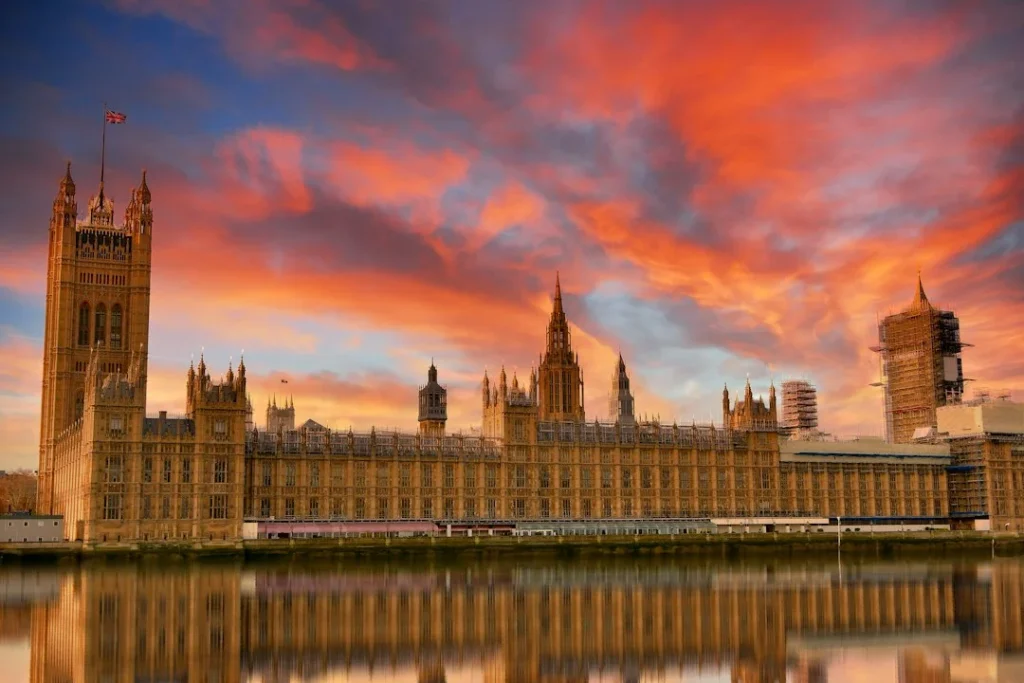
Photo: Peter Kostov on Unsplash
Related Reading

Gambling Commission to “Follow the Money” on Illegal Gambling Sites
The UK Gambling Commission is going after illegal operators’ payments, advertising and assets, not just their websites, with more than £40m in suspected…
Read article
Three in Four UK Teenagers Have Never Gambled, Commission Survey Finds
The Gambling Commission's latest survey of 11 to 17 year-olds shows a rise in young people who have never gambled, with arcade machines…
Read article